
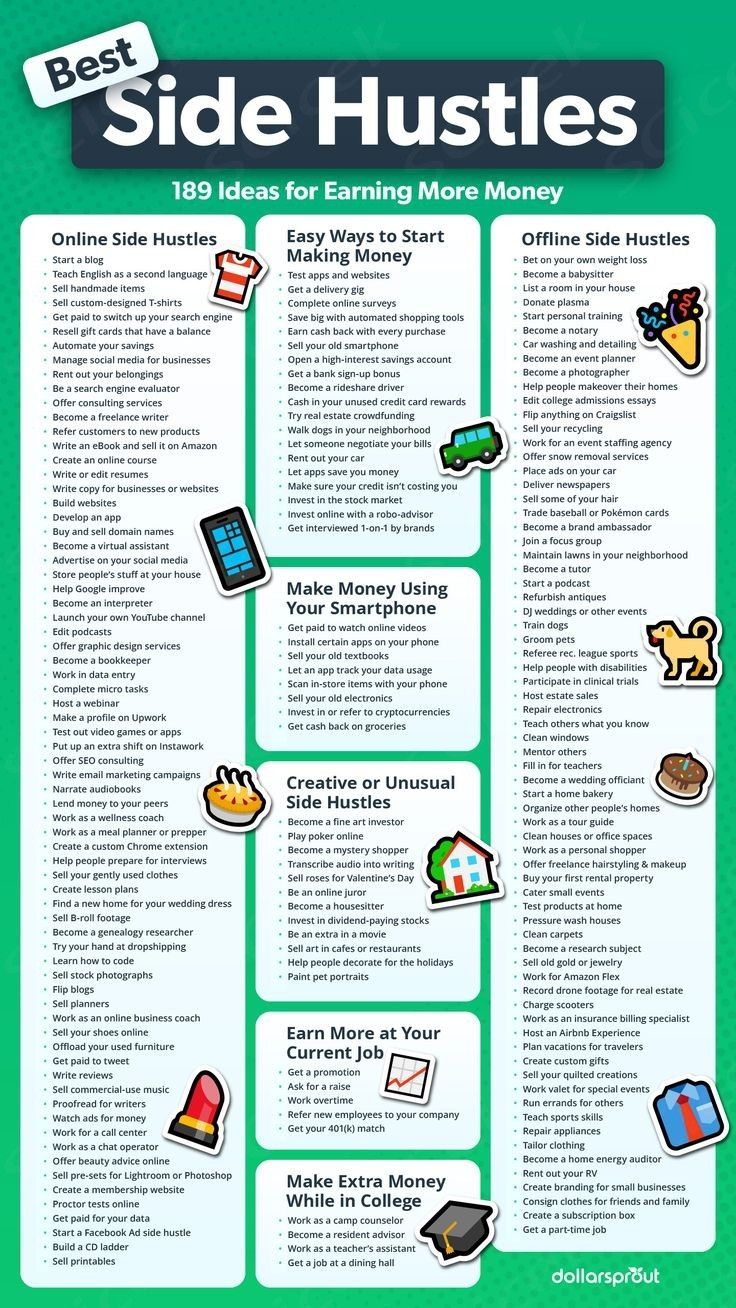
Making Money With AI: What Actually Works (And What’s Just Hype)

Okay, this one’s a topic I’ve been diving into a lot lately, so I figured I’d put my thoughts down properly instead of just talking about it over coffee with friends. Everyone and their mother is talking about “making money with AI” these days, and honestly, half of it online sounds like nonsense to me. So I wanted to actually look into what’s real, what’s backed by actual data, and what’s just another version of “get rich quick” repackaged with a shiny AI label.

First, Let’s Talk About Why This Even Works
There’s actually solid research behind why AI genuinely helps people earn more, not just hype. Researchers at Harvard and Stanford ran a randomized study where they gave over 450 college-educated professionals — marketers, consultants, data analysts — realistic writing tasks, and split them into groups with and without ChatGPT access. The group with AI access completed assignments 40% faster while producing 18% higher quality output as judged by expert evaluators, and the study found ChatGPT more likely to augment rather than replace human professionals. What I find really interesting is that the researchers found ChatGPT actually reduced the performance gap between higher-skilled and lower-skilled workers — basically, the people who were struggling the most benefited the most. That tells me this isn’t just a tool for people who already know what they’re doing. It genuinely levels the playing field a bit.
This lines up with what’s happening in the freelance/gig world too. A study on the gig workforce found that the vast majority of gig workers — 94% — have used AI tools to support their work, and 88% believe AI tools have increased the value of their skills. So this isn’t some fringe thing anymore, it’s basically mainstream at this point.

So What’s Actually Making People Money?
I went down a rabbit hole reading through a bunch of case studies and honest breakdowns from people who tested this stuff themselves, not just theory blogs. A few patterns kept showing up.
Service-based work using AI as leverage, not replacement. One writer documented testing five different AI side hustles over several months. The one that flopped? Generic AI-written blog content — she pitched 30 businesses and only closed 2, both paying under $50 per article, and both clients stopped after three pieces once they realized the content wasn’t moving traffic. But the one that actually worked was AI-powered business automation — building simple chatbots, appointment reminders, and automated review requests, charging $300-$800 per setup plus a small monthly retainer, which landed her five clients within two months. The lesson there is pretty clear — nobody wants “AI content,” they want their actual problems solved faster.
Realistic earnings, not the TikTok fantasy numbers. This is the part that annoyed me most when I first started researching, because everything online promises insane numbers. The more grounded sources were honest about it: beginners realistically earn $500-$1,000/month in their first six months, not the “$300/day” figures promoted on social media, while experienced AI freelancers with niche specializations can reach $5,000-$15,000/month. That’s a much more believable range, and it actually matches what I’ve seen from people I know who’ve tried this seriously instead of chasing trends.
Domain expertise still matters more than “AI skills.” This was probably the most important thing I took away from all my reading. The most successful people in this space aren’t the ones who know the most prompts — they’re the ones with deep domain knowledge who use AI to scale that expertise, whether it’s finance, design, education, or fitness. So if you already know something well, AI just becomes a multiplier on that. If you don’t have any actual expertise or judgment behind it, the output is generic and clients can tell.
The Part Nobody Talks About: The Scams
This is the bit I really want to flag because I’ve seen it firsthand in my feeds — the “AI passive income” ads that promise thousands a month with zero effort. Turns out regulators are cracking down on exactly this. The FTC filed multiple enforcement actions against AI “passive income” schemes in 2025-2026, including one case involving a company that allegedly defrauded consumers of at least $25 million through false claims that “advanced” AI tools would generate thousands in monthly passive income. So if you see an ad promising a fully automated AI system that prints money while you sleep — that’s basically a red flag dressed up in 2026 branding. The real version of this is slower and requires actual work.
My Honest Take
Reading through all of this, plus watching a few friends actually try it, my takeaway is pretty simple: AI doesn’t make money for you, it makes you faster at doing something people already pay for. Same as with anything, if you already have some kind of skill, industry knowledge, or an eye for what people actually need, AI lets you scale that up massively without hiring a team. But if you’re just hoping the AI does all the thinking while you collect checks, that’s exactly the kind of scheme the FTC has been going after.
If I were starting from zero, I’d pick one thing I’m already decent at, use AI to move faster on it, and actually deliver something useful to a real client rather than chasing whatever’s trending that week. Slow and unsexy, but based on everything I read, that’s actually what’s working for real people right now.




hello