
The Features Are Awesome… So Why Isn’t Anyone Showing Up? (A shorekit.com Founder’s Diary)
Let me be honest with you. I’ve been pretty frustrated lately.
I built shorekit.com with everything I’ve got, and feature-wise, it can hold its own against anyone.
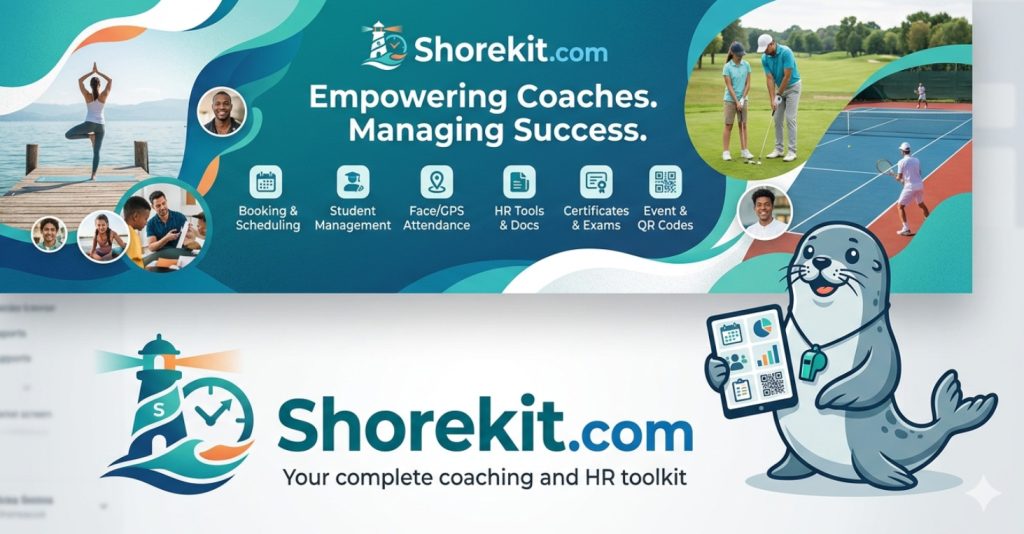
Part 1: A booking management system for multiple industries
Part 2: An all-in-one toolkit for small businesses
- Employee management
- Phone GPS clock-in/out
- Facial recognition attendance
- File management
- Inventory management
- QR code management
- And a whole lot more…
I was pumped while building it. I kept thinking, “Business owners are going to lose their minds over this!”
But reality? Nobody’s using it. It’s like opening an amazing shop with no sign, tucked away in the back of an alley. I’m sure everyone who walks in would say “Oh, nice!” The problem is that nobody’s walking in.
So today I want to lay out what I’m wrestling with right now: “How do I actually get people in the door?” If you’re a fellow SaaS builder, hopefully this helps you too.
First, a Hard Truth: Having Lots of Features Might Be the Problem

This was the most painful lesson.
“It does booking, attendance, inventory, QR codes…” As a developer, that’s my bragging point. But to a business owner, it sounds like “Okay… but what is it, exactly?”
Owners aren’t shopping for an “all-in-one platform.” They’re looking for a fix to one problem that hurts today.
- “I can’t run my shop because I’m stuck taking reservation calls.”
- “My employee says they clocked in, but I have no way to verify.”
- “My inventory count is wrong every single time.”
That brings me to the first strategy.
Strategy 1. Lead With One Thing (The Wedge Strategy)
Don’t promote everything at once. Pick the one feature most likely to land and knock on doors with that. Once people are inside, they’ll discover the rest on their own.
- On the booking side, pick a single industry (salons, nail shops, fitness studios, photo studios, etc.) and position it as “the booking system built for ___”
- On the tools side, make “facial recognition + GPS attendance” your headline feature
“A service for everyone” easily becomes “a service nobody looks for.” You have to start narrow to get sharp.
Strategy 2. Show Up in Search (SEO Content)
Business owners go to Google and type things like:
- “best employee time clock app”
- “how to manage inventory for a small business”
- “free booking management software”
Write genuinely helpful posts around those searches, consistently. Don’t write ads. Write articles that solve problems.
- “Managing Attendance for a Team of 5 or Fewer: Skip the Spreadsheet and Try This”
- “5 Realistic Ways to Reduce No-Shows”
- “How to Cut Inventory Mistakes Using QR Codes”
At the end, one natural line like “Here’s how you can do this with our tool” is plenty. It won’t pay off overnight, but once it builds up, you’ve got a salesperson who works while you sleep.
Strategy 3. Build a Free Bait Tool (Lead Magnet)
This one fits me perfectly. I already have QR code functionality, right?
- A free QR code generator page
- A free work schedule template
- A simple booking link generator
Open these up with no signup required. People who come to use them naturally discover shorekit. “I tried it for free and it’s pretty good. Maybe I’ll check out the paid features.” That’s one of the most natural paths into a product.
Strategy 4. Hit the Pavement (Direct Outreach)
This is the part developers hate most. I know, I’m one of them. But with an early-stage SaaS, the first 10 to 20 customers almost always come from you personally bringing them in.
- Walk into local shops, salons, academies, and studios
- Join online owner communities and Facebook groups and leave helpful answers, not ads
- Offer: “I’ll set it up for you for free. Just use it for a month and give me feedback.”
Don’t go in trying to get paid. For the first 10, go in to get feedback. That’s where the real voice of the user comes from, and it will reshape both the product and your messaging.
Strategy 5. One Success Story Beats 100 Ads
Once even a single customer uses it well, you can create this:
- “[Shop name] cut no-shows by X% with shorekit”
- Owner interview, before/after comparison, screenshots
Business owners trust other business owners the most. No matter how loudly I shout “It’s great!”, I can’t beat that.
Strategy 6. Build in Public
Like this very post. Don’t pretend everything’s going great. Share the struggles, the failures, and the numbers as they are. People root for a real person building something far more than for a polished company. Blog, LinkedIn, Instagram, wherever works.
Strategy 7. Design the First 5 Minutes After Signup
Getting traffic matters, but whether people stay matters just as much. If someone signs up and has no idea what to do, they just leave.
- Guide them to one single action right after signup, like “Create your first booking”
- Pre-fill sample data so they instantly think, “Oh, so that’s how this works”
- Send emails during the free trial that teach one feature at a time
Don’t pour water into a leaky bucket. Plug the bucket first.
What I’m Going to Do Next (The Real Reason I Wrote This)
If I write it down publicly, I can’t run away from it. So here’s my public declaration.
- Pick one target market (within this month)
- Publish one blog post a week
- Launch one free tool page
- Contact 10 businesses directly and offer a free trial
- Share the results here, numbers included
If it works out, I’ll come back with a “Here’s how we did it” post. If it doesn’t, I’ll come back with a “Here’s how it flopped” post. Either way, I’ll be honest.
If you run a SaaS, or you’ve been through something similar, drop your best tips in the comments!